The conversations and lessons that emerged from NATA’s November Aviation Business Conference remain highly relevant as aviation businesses continue navigating customer expectations, infrastructure pressures, workforce needs, sustainability goals, and a changing regulatory environment. The strong engagement at NATA’s events reflected the enduring value of bringing industry leaders together to share practical insight, compare experiences, and strengthen alignment across the aviation ecosystem. As NATA looks ahead to its 2026 events, many of the themes highlighted here will continue to shape discussions and provide valuable perspective for attendees across the industry.
NATA’s Aviation Business Conference: Two Days of Connecting, Sharing, Learning
Representing a wide array of aviation sectors and businesses, attendees at the annual NATA Aviation Business Conference took away a clear and strong core message: the industry is strong, it is engaged, and it is unified.
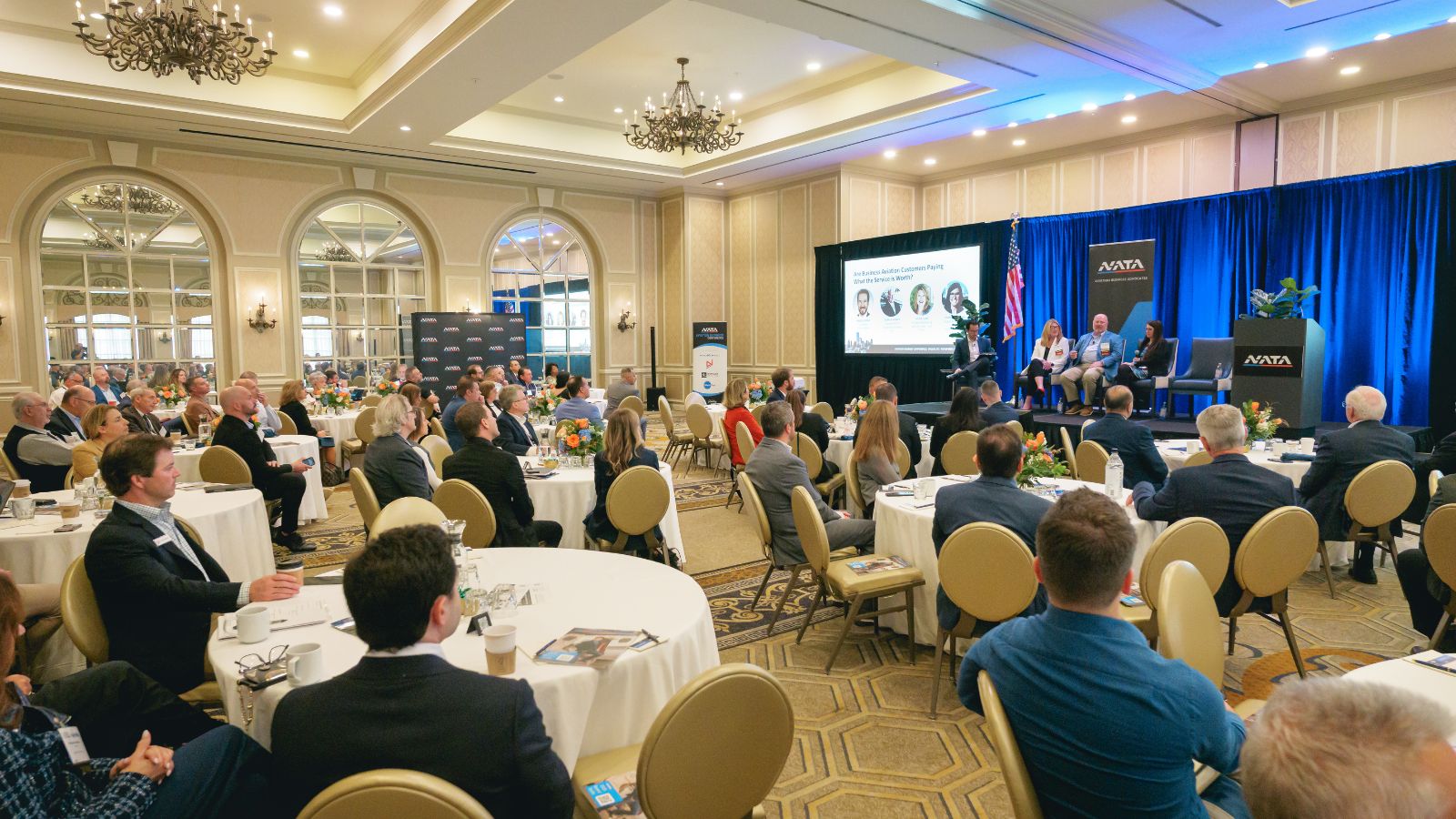
Whether they represented fixed base operators, air charter outfits, flight schools, maintenance companies, airports, and advanced air mobility entities, the packed room in Dallas was treated to an engaging slate of presentations, discussions and best practices. Leading these sessions was a slate of industry experts, thought leaders, and key decision-makers, all who tackled a wide range of pressing issues, identified strategies to keep the aviation industry thriving, and outlined pathways to stay moving forward as a connected network.
“A healthy aviation ecosystem requires balance, including safety with access, stability with flexibility, and strong collaboration across the community,” stated NATA President and CEO Curt Castagna. “NATA’s Aviation Business Conference embodies that collaborative spirit by bringing together industry leaders to ensure we are prepared, aligned, and ready to lead in a rapidly evolving business environment.”
A common thread woven through the sessions centered on customer experience. There was an underlying sentiment that all aviation businesses, regardless of industry segment, must understand market conditions and apply that insights to maintain powerful and lasting connections.
“Whether the discussion focused on sustainability, infrastructure, the current political and regulatory environment, or customer experience, a common theme emerged: a better understanding of industry dynamics strengthens our community and enables us to lead with confidence and agility,” Castagna added. “We must also understand and appreciate what matters most to our customers in order to develop and align effective strategies. This year’s conference equipped attendees with the insights, perspectives, and resources needed to make more informed decisions for their businesses and better advocate for the industry.”
The agenda comprised a wide breadth of perspectives, offered by visionaries committed to the industry’s success and dedicated to sharing their deep knowledge.
Among the insightful sessions were such thought-provoking topics as:
Ø Are Business Aviation Customers Paying What the Service is Worth?
Carlos Ozores of P.A. Consulting led a spirited discussion around the industry moving toward value-based pricing, away from the more traditional price bundling long in place. Joining Carlos on the panel were Donald Howell, President & CFO of Southern Sky Aviation LLC; Stephanie Jordan, VP, Bulk & Commercial Sales of World Fuel Services; and Vickie Elgin, VP, Sales & Marketing, APP Jet Center – Fort Pierce, Florida.
Key takeaways:
FBO Industry Shift: Private equity is reshaping FBO operations, moving from traditional ownership to profit-focused management, altering competition dynamics
Expansion Opportunities: Smaller FBOs benefit from underutilized airports, growing revenue by 500% through community partnerships amid increasing aircraft sizes
Dynamic Pricing Strategy: Event-based pricing during high-demand periods optimizes revenue, with transparent communication enhancing customer satisfaction and loyalty
MRO Cost Pressures: MROs face rising facility costs and labor rates that threaten competitive pricing; a 400% rise in costs highlights urgency
AI Integration: AI will enhance efficiency in aviation operations within five years, but personal relationships remain crucial for customer retention
Ø Navigating Rates, Fees, and Leases: Building a Sustainable Aviation System
Castagna orchestrated an interesting conversation focused on trends and challenges in aligning airport rates, fees, and lease agreements to best balance fairness, compliance, and long-term sustainability. Joining Castagna were Rick Crider, Director, Prescott (Ariz.) Regional Airport; Ryan Leick, Ph.D., C.M., Department Chair and Associate Professor, Utah Valley University Flight School; and Ryan Maxfield, Founder & CEO, Vantage Aviation.
This session explored best practices and emerging trends in negotiation strategies, regulatory considerations, and innovative approaches to aligning business models with airport development goals.
Key takeaways:
Airport Self-Sufficiency: Airports must achieve financial independence through balanced rates and smart investments amid rapid community growth
Ground Lease Revenue: Ground leases account for up to 90% of airport income; fair rate structures are essential for sustainability
Construction Costs Rise: Airports face doubled construction costs, requiring innovative funding methods like P3 partnerships for financial stability
Market Dynamics Matter: Many airports avoid raising rates due to community resistance, hindering necessary revenue growth and infrastructure improvements
Management Pressures Increasing: Effective airport management demands collaboration, clear roles, and best practices to balance operational and financial challenges
Ø AAM at the Airport: Turning Innovation into Future Revenue Opportunities
This dynamic discussion centered on how advanced air mobility operations are reshaping airport capabilities, and presenting new and unique opportunities across the aviation ecosystem. The panel was led by Allie Cloyes, Government Affairs Lead, BETA Technologies, with insightful input from Craig Teasdale, VP of Operations, Vertiports by Atlantic; Emilien Marchand, Director of Ecosystem Partnerships, Wisk Aero LLC; and Toni Drummond, Co-Founder & President, Future Flight Global.
Key takeaways:
Practical Timelines: How the industry expects to generate revenue from AAM, and affiliated cargo delivery and passenger services as markets mature
Current Infrastructure: Existing airports provide opportunities to house AAM operations, but also face such challenges as integrating into existing flight patterns, specialized ground services and charging needs
Federal Support: How the demanding new technology and its considerable cost pressures will fit into the current funding picture, and how revenue streams can help make future operations more self-sufficient
Partnerships: The future of AAM can’t be supported by companies working in silos. New technologies will drive new and unique partnerships as companies come together to build the future together
Ø Charting a Sustainable Course in Shifting Political Landscapes
Melissa Sabatine, Founder of Capitol Runway Advisory, steered a vibrant discussion of how the aviation industry must navigate an ever-changing political context at the federal, state and local levels. Attendees gained a greater understanding of how they can help author a vibrant path ahead, one that also meets the needs of customers, communities, and policy makers.
Joining Sabatine were Karen Huggard, NATA VP of Government Affairs; Keith Sawyer, Manager of Alternative Fuels, Avfuel Corporation; Kurt Edwards, Director General, International Business Aviation Council; and Nancy Bsales, COO/Sustainability of 4Air.
Key takeaways:
Political Challenges: Balancing conflicting views across political levels is crucial for achieving sustainability targets in aviation
SAF Price Gap Narrowing: The gap between SAF and conventional fuel is decreasing, encouraging adoption and investment in production
Operational Efficiency Gains: Simple sustainability actions at FBOs can significantly reduce costs and improve energy efficiency
Tailored Messaging Strategy: Emphasizing U.S. innovation and local benefits builds support for sustainability initiatives across diverse audiences
Industry Collaboration Needed: Ongoing cooperation among aviation players is essential for sharing resources and achieving long-term sustainability goals
Attendees were also provided with valuable market insights from Greg Johnson, President & CEO, Tuvoli (“Charter Market Outlook: From Data to Direction”); and Rollie Vincent, President, Rolland Vincent Associates (“The Business of Business Aviation: Industry Insights and the Outlook for 2026”).
In addition, the conference featured a frank, far-reaching conversation between Castagna and FAA Deputy Administrator Chris Rocheleau, a veteran of both the public and private aviation sectors. The discussion highlighted the deep and mutually beneficial relationship between the FAA and aviation businesses associations like NATA, and how collaboration enables sound policy decisions that foster aviation business safety, security, and industry growth.
During the discussion, Castanga made it clear that the nation’s aviation sector – powered by its common mission and collaborative spirit – remains strong, even after a difficult government shutdown.
“This year’s Aviation Business Conference comes at a pivotal moment for our industry, occurring just days after the longest federal government shutdown in history,” said Castagna. “The impact of the resulting Emergency Orders and NOTAMs underscored how interconnected the NAS truly is and reinforced the essential role of air charter and general aviation. Our members responded with professionalism, adaptability, and an unwavering commitment to safety, and both their recent experiences and the depth of their past operational insight helped shape the conversations throughout the day.”
But as NATA Chief Operating Officer Hector Huezo emphasized in closing the event, the organization and membership are only as strong as they are bonded together in support of the entire industry.
“It’s clear that the same spirit of industry collaboration that has guided this association through generations of change continues to guide us today,” Huezo said. “The resilience and forward-thinking leadership that has defined NATA through the years are the same qualities that have been reflected in this room this week.”
The conversations that took shape at the 2025 Aviation Business Conference continue to resonate across the industry and reinforce the value of convening through NATA events. As NATA looks ahead to its 2026 event lineup, members can expect more opportunities to gain timely insight, exchange practical strategies, strengthen industry relationships, and stay ahead of the issues shaping aviation business success. If last year’s conference underscored anything, it is that there is real value in being in the room. NATA’s 2026 events will build on that momentum and offer even more opportunities to connect, learn, and bring back ideas that can make a real impact on your business.